

Rat and rodent prevention: What residents should know
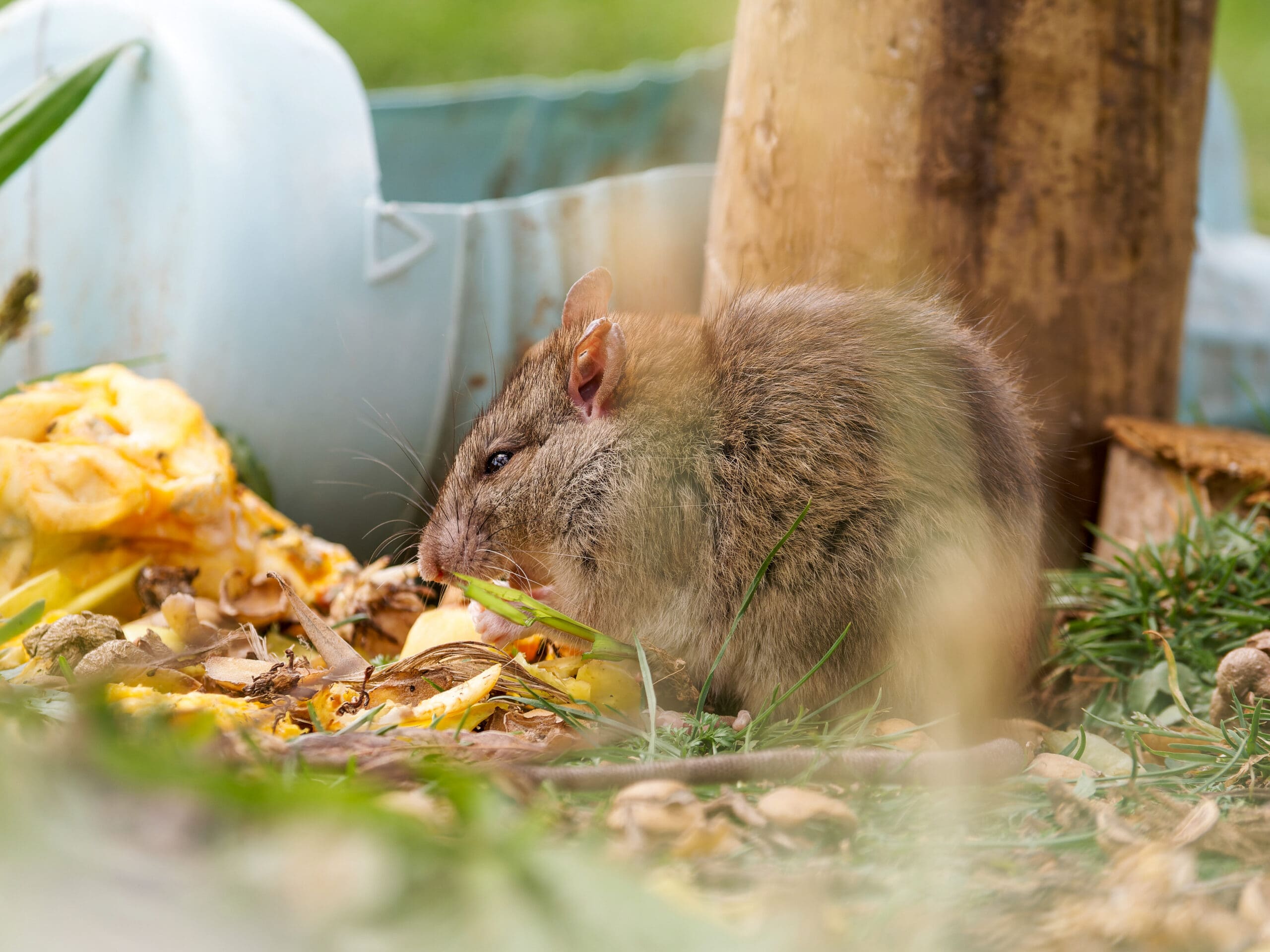
- Rats are attracted to places where they can find food, water and shelter.
- Common attractants include bird seed, chicken feed, pet food, garbage, compost, fallen fruit and unharvested garden produce.
- Prevention works best when neighbors reduce food sources, remove hiding places and seal entry points at the same time.
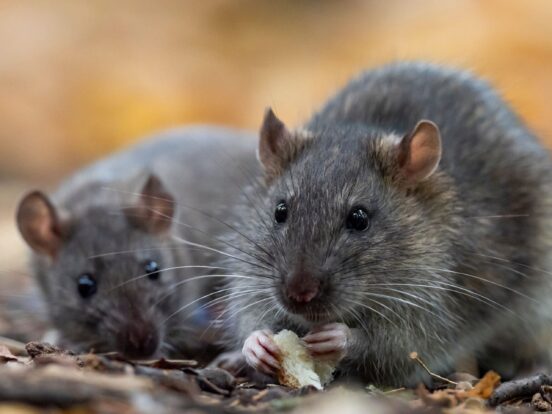
Signs of rats/rodents and what you can do
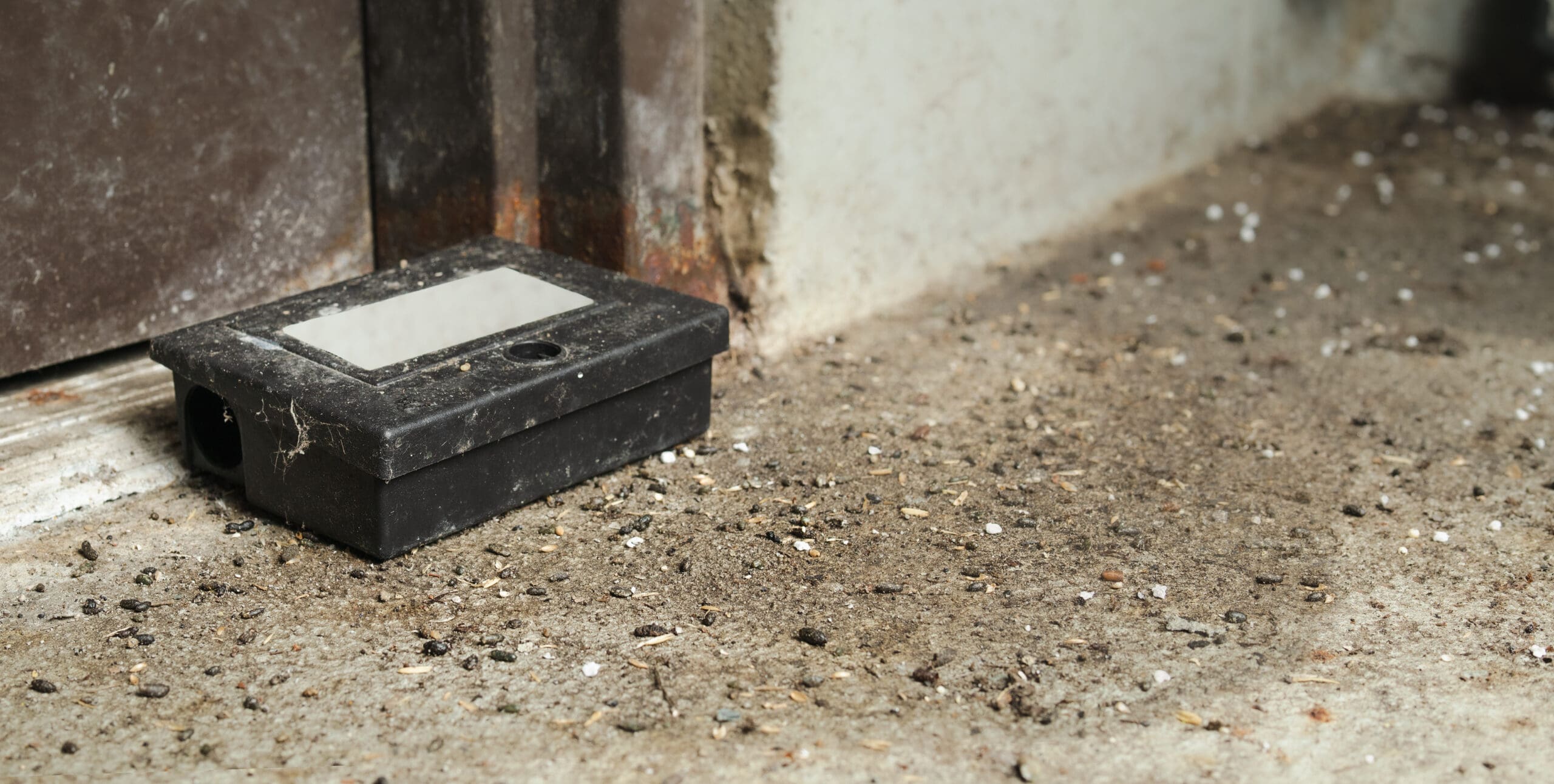
- Rodent droppings (poop). Rats leave small, dark brown or black pellets. Mouse droppings are smaller, like grains of rice.
- Burrows (often hidden under vegetation, a wood pile, porch or deck) or runways outside
- You see rats, hear squeaking, hissing or chattering, or find chewed up material.
Possible sewer or utility issue. If you notice persistent holes, burrows or rodent activity near sidewalks, alleys, utility corridors or sewer areas, contact the appropriate city utility or a licensed plumber to evaluate whether a broken line or other structural issue may be contributing to the problem.
If rats appear to be coming from a nearby property: Consider talking with your neighbor or property owner first. If the issue appears connected to nuisance conditions such as accumulated trash, debris, overgrown vegetation or unsecured food sources, CDH can help direct residents to the appropriate city or county reporting option.
- Clean up fallen fruit, nuts and garden produce promptly. Fruit trees, backyard gardens and compost can provide easy food sources for rats if produce is left on the ground.
- Secure backyard chicken feed, pet food, bird seed and squirrel food in sealed, hard-sided containers. Bring food indoors at night when possible.
- Keep trash, recycling and compost carts fully closed. Bag household trash tightly, keep dumpster areas clean and avoid letting compost piles become a food source.
- Reduce water and shelter around irrigation areas, canals, crawl spaces, decks, sheds and fence lines. Fix leaks, remove standing water and clear debris where rats can hide or burrow.
- Seal gaps around doors, windows, vents, utility lines, crawl spaces and foundations with durable materials such as metal mesh, hardware cloth, steel wool, caulk or concrete.
- Trim shrubs, vines and tree branches away from homes and roofs. Store firewood and lumber off the ground and away from foundations.
- Coordinate with neighbors when possible. Rat prevention is more effective when nearby properties remove food, shelter and entry points at the same time.
Remove food sources such as:
- Bird seed and suet
- Pet food
- Chicken feed
- Squirrel food
- Garbage
- Pet waste
- Backyard compost that has not been rodent-proofed
- Fallen fruit from trees or unharvested produce from gardens. In Ada County yards, fallen fruit, garden produce, bird seed, chicken feed and pet food can quickly attract rodents. Pick up fallen fruit and nuts, harvest garden produce promptly and store all feed in sealed, hard-sided containers.
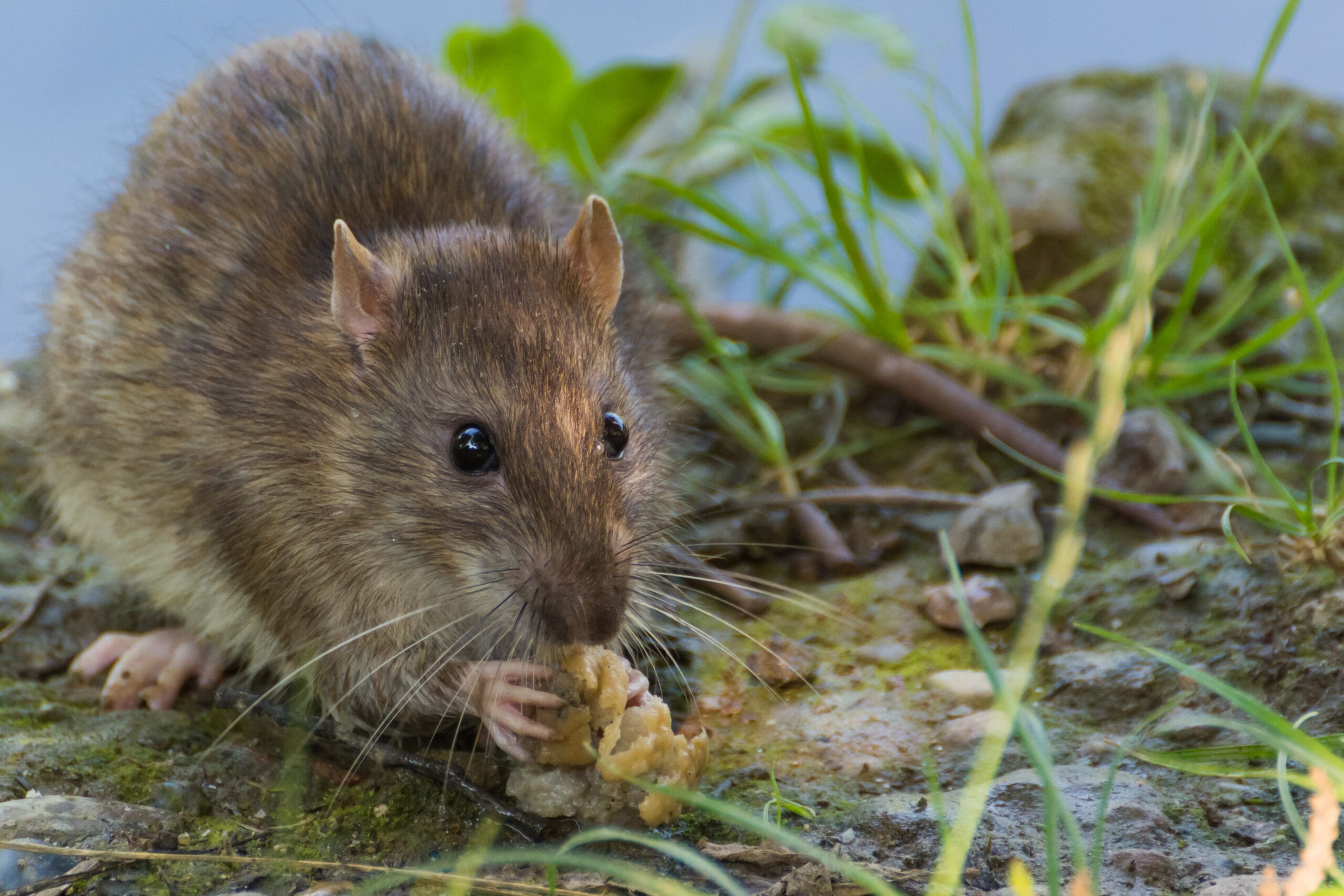
Trap rodents safely: Snap traps are inexpensive and effective, and the preferred way to get rid of rodents indoors and out. Peanut butter makes good bait.
- Set the trap in the area with the most rodent activity. Rodents tend to run along walls, so place traps next to a wall, fence line or foundation.
- To keep children, pets and other animals safe from traps, use tamper-resistant bait stations.
- Poisoning is not ideal but is sometimes necessary. Poison is not recommended for indoor use, as rodents can die inside walls and produce odor.
Poison can also harm animals and pets. Always use poisons carefully in a secured bait station to keep poisons away from children, pets, and other animals.
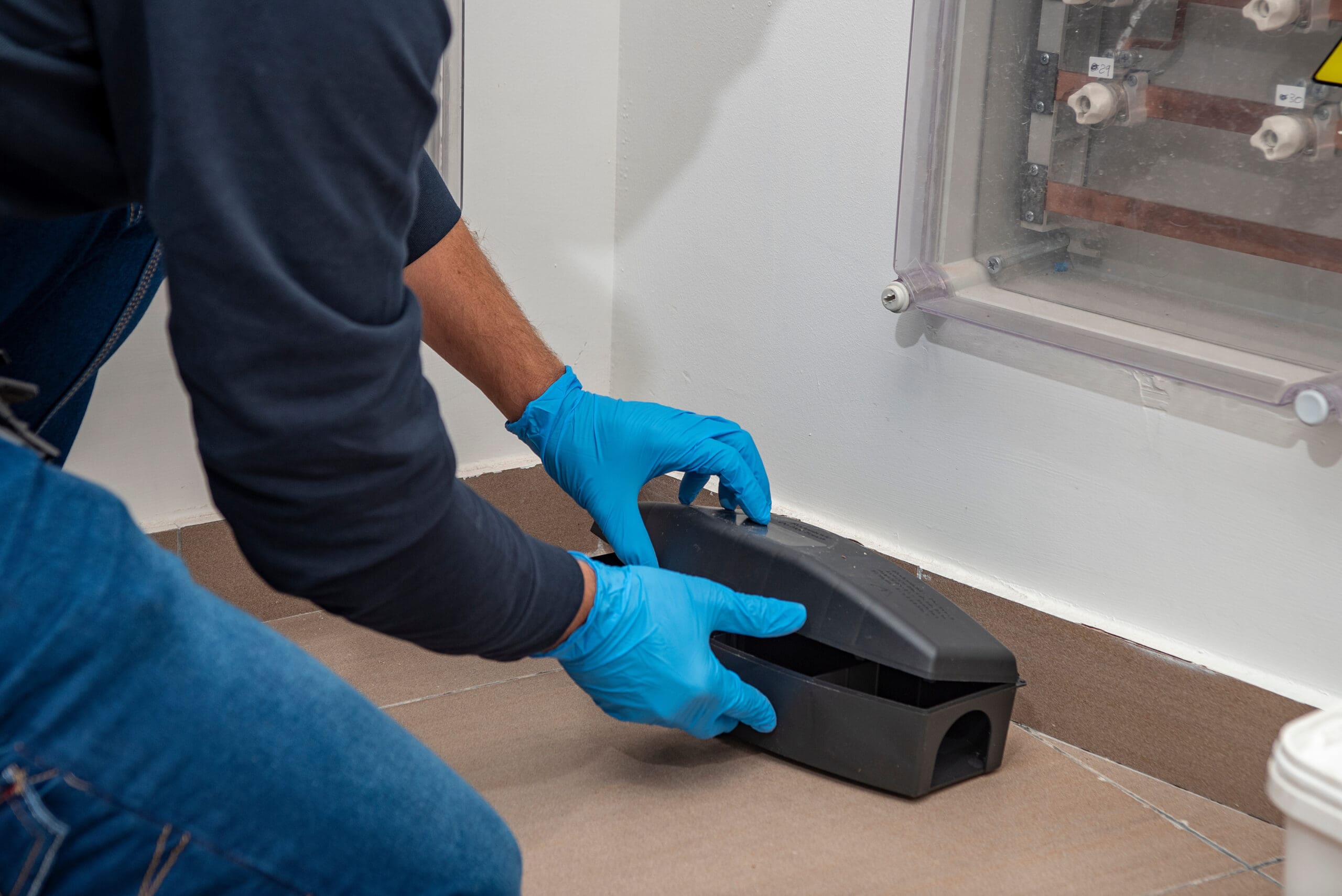
Keep rodents out of buildings: Rats can enter homes, garages, sheds and crawl spaces through small openings around roofs, foundations, vents, pipes and utility lines. To keep rodents out, seal openings the size of a dime or larger in homes, buildings and sheds:
- Where pipes or wires enter the building
- Under eaves
- In attics
- Around crawl space vents, foundations, doors and windows. Use cement, 1/4 inch steel hardware cloth (wire mesh, pictured), or steel wool and spray foam to seal gaps. Install or repair weather stripping around doors.
- Trim back overhanging branches around the house to reduce roof rat access.
- If you install a pet door, make sure it’s self-closing
Reduce shelter in yards and outdoor areas: Don’t let your yard be a nesting zone for rodents. Keep bushes and trees trimmed and get rid of clutter. Rats will nest in:
- Outdoor piles of garbage and junk
- Under wood piles or lumber—stack wood piles 18 inches off the ground
- Overgrown blackberry bushes, shrubs, vines and tall grasses
Contact a licensed pest management professional: For active infestations or recurring rodent activity, contact a licensed pest management professional. Ask about inspection, treatment options, prevention steps and follow-up service before agreeing to work.
- Click here to view pest management professionals in your area. (Note: Select “rodent control” to view the list.)
Clean up safely after an infestation: Disinfect anything rodents have touched before you touch it.
Bleach and other cleaners can stain surfaces and be harmful if misused. ALWAYS follow labeled instructions. Follow these steps to reduce your risk of exposure to disease:
- NEVER dry sweep or vacuum a rodent infested area. ALWAYS use wet cleaning methods.
- ALWAYS wear rubber gloves, long sleeves, protective eyewear and a dust mask when cleaning. This will protect you from contamination and contact with potentially harmful chemicals.
- Use a 10 parts water to 1 part chlorine bleach solution or a household disinfectant to clean contaminated areas.
- Put on gloves, then spray dead rodent with disinfectant.
- With gloves still on, pick up the rodent, place it in a bag and seal it. Place the bag in another bag and seal it. Put the bag in a covered outdoor trash can that is regularly emptied.
- When you’re done cleaning, wash your hands thoroughly with warm water and soap, and dry with paper towels. Launder your clothes normally.
More about cleaning up after a rodent infestation.
Click here to view pest management professionals in your area. (Note: Select “rodent control” to view the list.)
CDH does not recommend or endorse specific pest control companies. When selecting a pest management professional, look for a qualified provider and ask questions about licensing, inspection, treatment methods, pesticide use, safety precautions and follow-up prevention.
- Always deal with a qualified and licensed pest management company. Consider asking to see the license or other credentials of the pest management professional that comes to solve your pest problem.
- Evaluate pest control companies that are members of national, state or local pest management associations as they have access to up-to-date information and education.
- Consider an NPMA QualityPro company.
- Ask friends and neighbors to recommend pest control companies they have used successfully and how satisfied they were with the service.
- If a sizable amount of money is involved, get bids from several pest management companies.
- Don’t rush a decision. Since you are paying for professional knowledge as well as skillful application of pesticides, look for someone whose judgment you can trust.
- Before signing a contract, be sure to fully understand the nature of the work to be performed, the extent of the infestation and what is covered by the service agreement.
- Find out if the pest control company has liability insurance to cover any damages to your house or furnishings during treatment.
- If a guarantee is given, know what it covers, how long it lasts, what you must do to keep it in force, and what kind of continuing control, prevention and management are necessary.
- Buy value, not price. Beware of professionals that offer bargains that sound too good to be true.
- For questions about pesticide licensing or pesticide misuse complaints in Idaho, contact the Idaho State Department of Agriculture.
Rats have been reported in several Ada County communities, including Boise, Eagle and Garden City. Central District Health (CDH) is coordinating public health guidance with local partners to help residents prevent infestations, understand health risks and find the right reporting or pest control resources.
CDH’s role: CDH does not provide extermination services and does not regulate pest control companies. CDH helps coordinate public health information, shares prevention guidance and directs residents to appropriate local reporting options or licensed pest management professionals.