

Free training to assess and treat suicide risk featuring Dr. M. David Rudd
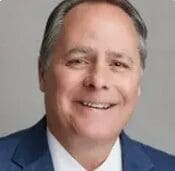
Date: Monday, December 7 – Tuesday, December 8 • 8:30 AM–12:30 PM
Location: Boise Centre on the Grove (Ballroom A100) • 850 West Front Street, Boise, ID
Join Dr. Rudd for an advanced understanding, treatment, and intervention training for suicide risk.
- This training is open to anyone wanting in-depth knowledge – however, this is not a basic suicide prevention training.
- The content is designed for advanced comprehension of the suicidal mode for suicide prevention professionals and skill building for licensed practitioners & clinicians who currently provide treatment as well as students in this field.
Helping you discover a life you can live
This resource hub connects you with trusted information and local services. Explore crisis support, prevention programs, training opportunities, wellness resources, and practical tools designed to build hope, encourage connection, and help prevent suicide.
Please note that Central District Health does not provide crisis services. If you or someone you know is experiencing a mental health crisis, help is available.
Locations
- 707 N Armstrong Pl., Boise, ID 83704
- 703 1st St., McCall, ID 83638
- 520 E. 8th Street N, Mountain Home, ID 83647

Wellness


Safety Plan
Find coping strategies and sources of support.

Find a Counselor
Access to Suicidal Ideation Therapists in Idaho.

The Hope Box
A Hope Box is a simple but powerful tool that can help you get through difficult moments.

Want Help?
Find additional, local resources.

Coaching
Build skills to find relief, connect easier, & find solutions.

Tips For Talking
NAMI - The language you use matters. Here are some tips.
Suicide Prevention


Community Calendar & Events
Upcoming events and activities

Counseling on Access to Lethal Means
Reducing access to lethal means, such as firearms and medication, can determine whether a person at risk for suicide lives or dies.

Safe Messaging
Learn more about safe and unsafe messages and activities to help protect students.

Idaho Crisis Hotline
When a person contacts Idaho Crisis & Suicide Hotline, a trained crisis responder offers emotional support, assesses for suicide risk, and provides crisis intervention support.

Local Community Crisis Centers
Clarvida Community Crisis Center serves individuals 18 years and older experiencing a behavioral health crisis including substance abuse challenges.

Find Help Idaho
Start your search for free and reduced-cost services.

Free Suicide Prevention + Health Materials
From 988 promotional items to firearm safety locks.
Additional Training
The following trainings are offered virtually or in person and can be hosted at CDH or at your location. Customized suicide prevention trainings are available upon request.
Contact us for more information, to get Free Health Materials, or to schedule a training.

Question, Persuade & Refer (QPR)
For groups or individuals interested in learning more about how to identify suicide warning signs, ask the question, and refer suicidal individuals to help.
Applied Suicide Intervention Skills Training (ASIST)
A 2-day training program that teaches participants how to assist those at risk for suicide. Although many healthcare professionals use ASIST, anyone 16 years or older can use the approach, regardless of their professional background. ASIST workshops can be delivered at no cost with a minimum of 8 participants and a maximum of 45 participants at each workshop.
Youth Mental Health First Aid
Designed for adults who regularly interact with youth. The course covers common youth mental health challenges, typical adolescent development, and a 5-step action plan for helping young people in crisis and non-crisis situations.
LivingWorks Faith
A self-paced, online training for Christian Faith Leaders that helps increase knowledge on keeping individuals safe from suicide and ministering to those who have experienced suicide loss.
Mental Health First Aid
Teaches people how to recognize mental health or substance misuse challenges in adults ages 18 and older, how to offer and provide initial help, and how to guide a person toward appropriate care if necessary.
Adolescent Mental Health 101
Designed to give caregivers and school staff a better understanding of mental health and brain development by learning how to communicate with adolescents, differentiate between typical behavior and potential mental health challenges, and seek mental healthcare.
LivingWorks Start
A self-paced, online course that teaches individuals to recognize when someone is thinking about suicide and how to connect them to professional and community support.