USA flag icon

As of July 1, 2025, Idaho law requires CDH to verify the lawful presence of those applying for public benefits through our agency.

Learn More

As of July 1, 2025, Idaho law requires CDH to verify the lawful presence of those applying for public benefits through our agency.

The programs impacted by this change are:
  • Sliding fee discount for medical clinic or counseling services for those not on Medicaid
  • WIC, PAT, and NFP applicants who are not adjunctively eligible for Idaho Medicaid, SNAP, or TAFI
Land and food-based applications do not require verification of lawful presence.


You can review the policy here and then complete the form below to verify your lawful presence online or you can visit one of our CDH offices to confirm in person.

Lawful Presence Online Forms: English | Spanish

WIC: English | Spanish

Raw Milk: Your Choice, Know the Risks

Many Idaho families choose raw milk. Central District Health provides information to help residents understand the risks and make informed decisions.

Milk is nutritious, but raw (unpasteurized) milk can contain germs such as Campylobacter, E. coli, Listeria, and Salmonella. You cannot see, smell, or taste these germs. Pasteurization kills these germs while preserving milk’s key nutrients. Pasteurized milk provides the same nutrition with a much lower risk of illness.

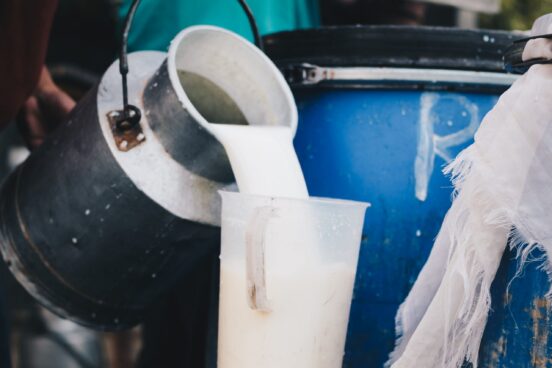
Farmer pouring raw milk from dairy farm into container for selling to industries or market

Raw Milk Basics: Risks, and What to Consider

Raw milk illness in your community

From January 2025 to September 2026, more than 110 people in Ada, Boise, Elmore, and Valley counties became ill after drinking raw milk, and 8 were hospitalized. Nearly 30% of the 110 patients were children.


Several outbreaks have been linked to raw milk from Idaho farms sold in grocery stores, farm stands, and markets. Milk from the same farm is often sold in many towns, so one contaminated batch can make people sick across the state.

Raw milk illness in District 4

Ada, Boise, Elmore, and Valley Counties
January 2025 to September 2026

110
illnesses
8
people hospitalized
31%
were children under 18
12
children under 5

Illnesses in people who reported drinking raw milk or who were part of a raw milk outbreak.
Numbers are likely an underestimate. They only include people who sought medical care, were tested, and were diagnosed with a reportable infection.

How you can stay safe


Choose pasteurized milk and dairy products. The American Academy of Pediatrics recommends that infants, children, teens, pregnant people, and breastfeeding parents consume only pasteurized dairy products.

  • Keep it refrigerated at 40°F or below (not on the fridge door).
  • Transport it in a cooler.
  • Do not serve it to young children or pregnant people.
  • Keep the container if illness occurs.

If you get sick

  1. Contact your health provider. Symptoms usually start a few days after drinking contaminated milk, but Listeria can take weeks. Common symptoms are diarrhea (sometimes bloody), stomach cramps, fever, and vomiting. Tell your provider you drank raw milk so they can order the right test.
  2. Report it. If you think raw milk made you or a family member sick, call CDH Epidemiology at 208-327-8625. Keep any leftover milk and its container; it can help find the source and protect others.


Call a healthcare provider right away if:
  • A baby or young child has bloody diarrhea, very little urine, unusual sleepiness, or looks pale.
  • You are pregnant and have a fever or flu-like symptoms.
  • Diarrhea lasts more than 3 days, or you have signs of dehydration.

Tell your provider you drank raw milk so they can order the right test.

Common health questions people ask about raw milk

What the evidence shows:

  • Pasteurization does not meaningfully change milk’s protein, fat, calcium, or most vitamins; it slightly lowers a few vitamins, such as B2.¹ ³

Bottom line:

  • Nutritionally very similar

What the evidence shows:

  • Some studies found fewer allergy rates among children raised on farms, but researchers cannot determine whether raw milk itself caused the effect because farm children have many other exposures that may influence health.⁴

Bottom line:

  • Not proven

What the evidence shows:

  • Raw milk contains lactose, just like pasteurized milk. In a clinical trial, raw milk did not reduce lactose intolerance symptoms.²
  • Bottom line:
    • Not proven

What the evidence shows:

  • Bacteria in raw milk are not reliable probiotics, and the same milk can carry harmful germs.⁵

Bottom line:

  • Not proven


What the evidence shows:

  • Bacteria in raw milk are not reliable probiotics, and the same milk can carry harmful germs.⁵

Bottom line:

  • Not recommended

What the evidence shows:

  • Listeria and other germs can harm the pregnancy and the baby.¹

Bottom line:

  • Not recommended

What the evidence shows:

  • During the 2024 dairy outbreak, H5N1 virus was detected in raw milk from infected dairy cows. Pasteurization inactivates the virus. While no human illnesses have been confirmed from drinking raw milk, public health agencies consider it a potential risk.¹ ⁶

Bottom line:

  • An emerging risk
  1. Ratner AJ, Sardi A, Corkins MR, et al. Consumption of Unpasteurized (Raw) Milk and Milk Products by Pregnant People and Children: Policy Statement. Pediatrics. 2026.
  2. Mummah S, Oelrich B, Hope J, Vu Q, Gardner CD. Effect of Raw Milk on Lactose Intolerance: A Randomized Controlled Pilot Study. Annals of Family Medicine. 2014.
  3. Macdonald LE, Brett J, Kelton D, et al. A Systematic Review and Meta-Analysis of the Effects of Pasteurization on Milk Vitamins, and Evidence for Raw Milk Consumption and Other Health-Related Outcomes. Journal of Food Protection. 2011.
  4. Waser M, Michels KB, Bieli C, Flöistrup H, Pershagen G, von Mutius E, Ege M, Riedler J, Schram-Bijkerk D, Brunekreef B, van Hage M, Lauener R, Braun-Fahrländer C; PARSIFAL Study team. Inverse association of farm milk consumption with asthma and allergy in rural and suburban populations across Europe. Clin Exp Allergy. 2007 May.
  5. Loss G, Apprich S, Waser M, Kneifel W, Genuneit J, Büchele G, Weber J, Sozanska B, Danielewicz H, Horak E, van Neerven RJ, Heederik D, Lorenzen PC, von Mutius E, Braun-Fahrländer C; GABRIELA study group. The protective effect of farm milk consumption on childhood asthma and atopy: the GABRIELA study. J Allergy Clin Immunol. 2011 Oct.
  6. S. Food and Drug Administration. Raw Milk Misconceptions and the Danger of Raw Milk Consumption. https://www.fda.gov/food/buy-store-serve-safe-food/raw-milk-misconceptions-and-danger-raw-milk-consumption
  7. Bird flu (H5N1) and raw milk. https://www.cdc.gov/bird-flu/hcp/unpasteurized-raw-milk/index.html
  8. S. Food and Drug Administration. Are You Storing Food Safely? https://www.fda.gov/consumers/consumer-updates/are-you-storing-food-safely